

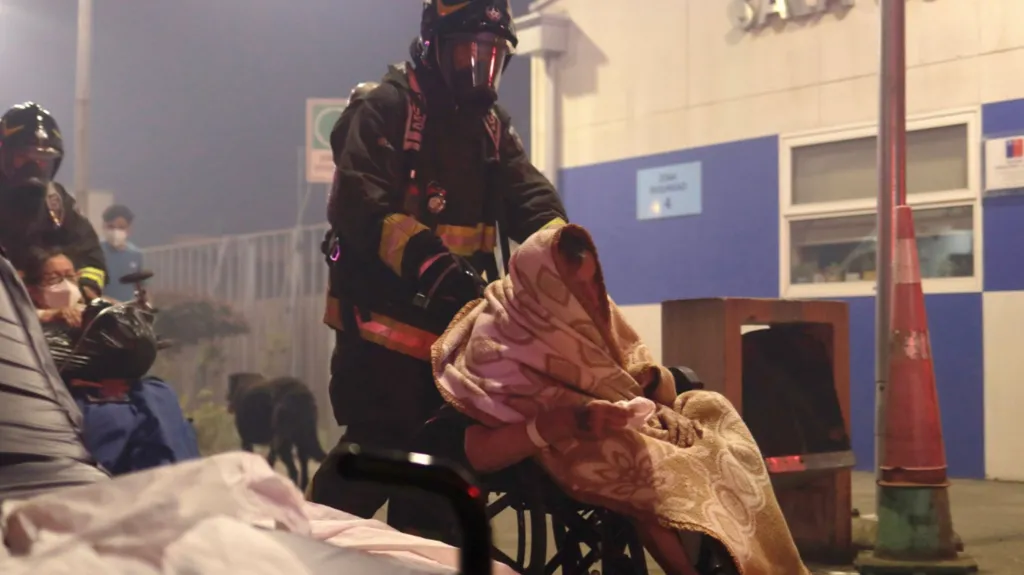
Chilean President Gabriel Boric has declared a state of catastrophe in two central regions. Deadly wildfires have killed at least 18 people there. The fires have also forced more than 50,000 residents to evacuate. President Boric warns the death toll will likely rise. These Chile wildfires are raging in the Ñuble and Biobío regions, about 500 kilometers south of Santiago. Consequently, the fires have already burned roughly 8,500 hectares. This emergency has overwhelmed local resources, so the government is deploying the armed forces.
The most dangerous fire now threatens the coastal city of Concepción. It is sweeping through dry forests near urban areas. Officials confirm the destruction of about 250 homes. Meanwhile, local media shows images of charred vehicles and ruined streets. Chile’s forestry agency, Conaf, reports that firefighters are battling 24 separate fires nationwide. The scale of the Chile wildfires has triggered a major national response. Therefore, authorities are mobilizing all available resources to fight the flames and protect communities.
A Rapidly Escalating National Emergency
The catastrophe declaration grants the government special powers. It specifically allows the military to support firefighting and evacuation work. Evacuations have focused on the cities of Penco and Lirquen, north of Concepción. Together, these cities house about 60,000 people. Strong winds and high summer temperatures are creating extreme fire weather. These conditions fan the flames and hinder aerial firefighting efforts.
Much of central Chile faces severe heat alerts. Forecasters expect temperatures to reach 38 degrees Celsius soon. This heatwave worsens the already critical situation. The Chile wildfires fit a distressing pattern for the nation. Indeed, Chile has suffered increasingly severe fire seasons recently. A long-term drought has left vegetation tinder-dry, creating ideal conditions for fires to spread rapidly.
Historical Context and a Recurring Threat
The current disaster recalls past tragedies. For example, catastrophic fires in the Valparaíso region killed at least 120 people just two years ago. That event remains one of Chile’s deadliest. The recurrence of such intense wildfires highlights the country’s vulnerability to climate extremes. Prolonged drought, heatwaves, and strong winds have become a deadly, recurring formula.
President Boric’s swift declaration shows the government fears rapid escalation. On social media platform X, he stated, “All resources are available.” This proactive approach aims to prevent delays that cost lives. However, the many simultaneous fires are stretching national response capabilities to their limit.
Community Impact and the Fight to Respond
The human impact of the Chile wildfires is severe. Beyond the tragic deaths, thousands of families have lost homes. Emergency shelters are now accommodating those who fled. The fires are also destroying infrastructure like power lines. This damage complicates the response and full damage assessment. Additionally, the economic toll on these agricultural regions will be heavy.
Firefighters are working in extremely dangerous conditions. Their priority is protecting lives and containing the spread toward cities. Aircraft conduct water drops, but smoke and wind often hamper them. Meanwhile, community solidarity is emerging as neighbors help each other evacuate. Nevertheless, the disaster’s scale demands a massive, coordinated state response.
Looking Ahead: Climate Change and Resilience
The frequency of Chile wildfires points to a long-term climate crisis. Scientists warn that a warming planet increases extreme fire risk in regions like Chile. This reality demands better emergency response and more investment in prevention. Necessary measures include creating firebreaks and managing forests.
For now, the focus remains on controlling the active blazes. The coming days will be critical as hot weather continues. The international community will likely offer support. Once again, Chile faces a brutal reminder of nature’s fury, amplified by climate change, as it battles these catastrophic wildfires.


