

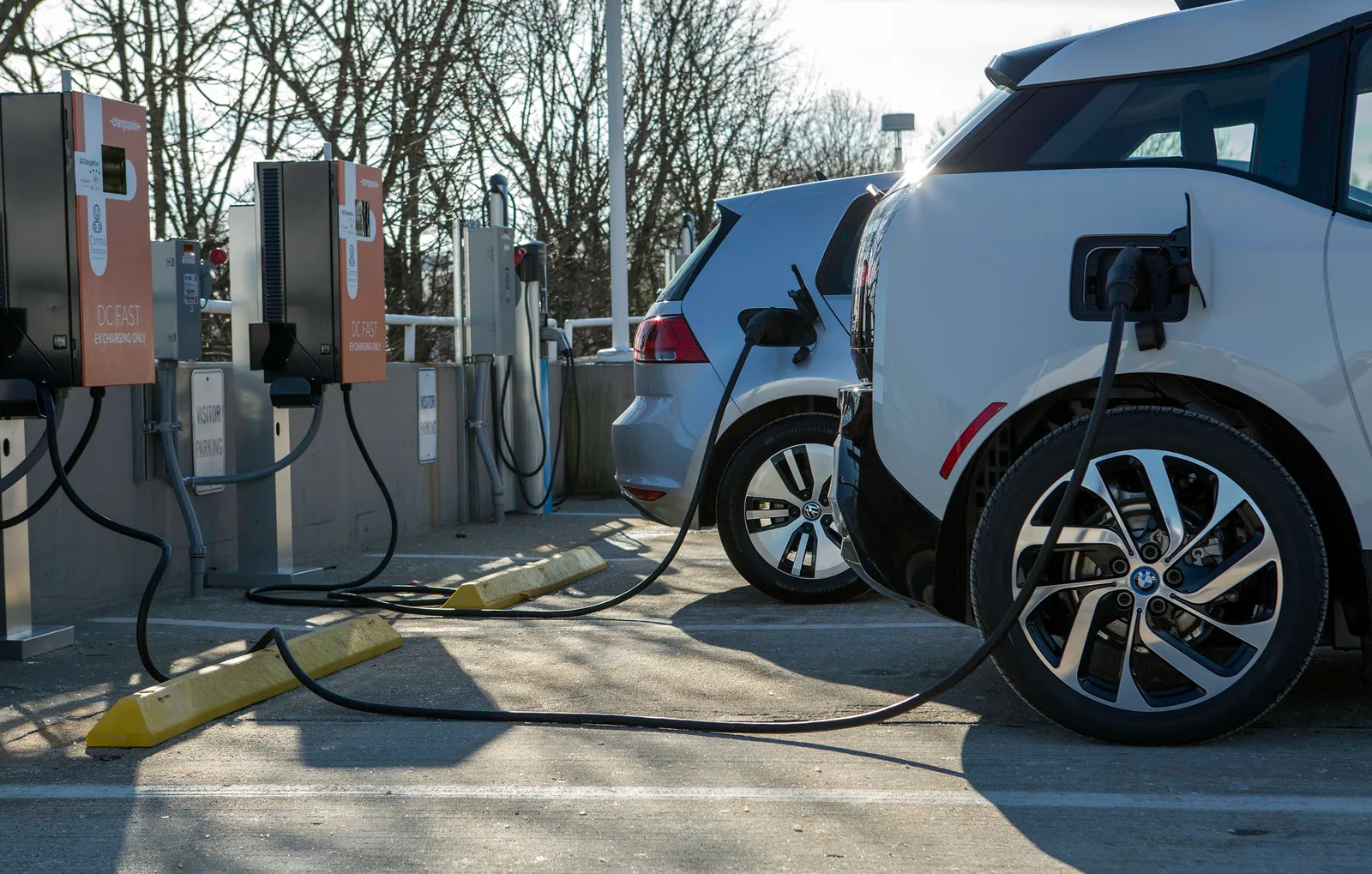
The BMW EV charging upgrade marks a major step toward simplifying electric vehicle ownership in Canada. BMW Group Canada has introduced new features that integrate Shell Recharge and expand access to Tesla Superchargers. As a result, drivers can now charge their vehicles more easily across a wider network.
At the center of the BMW EV charging upgrade is the integration of Shell Recharge into the My BMW and MINI apps. With this update, drivers can find, start, stop, and pay for charging sessions using a single account. Therefore, the need to switch between multiple apps is reduced.
Previously, EV drivers often relied on different platforms for various charging networks. However, the new system brings several operators together. These include FLO, ChargePoint, Circuit électrique, BC Hydro, and EV Connect. Consequently, drivers gain seamless access to a broader charging ecosystem.
In addition, the BMW EV charging upgrade extends beyond Canada. Drivers can now access compatible charging networks in the United States. This cross-border capability improves convenience for long-distance travel. As a result, BMW and MINI owners benefit from greater flexibility on North American roads.
Moreover, BMW Canada has expanded access to Tesla Superchargers. This move follows the adoption of the North American Charging Standard. With this shift, BMW aligns with a growing industry trend toward standardization.
Starting in 2026, new BMW electric models in Canada will include factory-installed NACS ports. Upcoming vehicles such as the iX3 and i3 will support direct access to Tesla’s fast-charging network. Therefore, future drivers will enjoy faster and more convenient charging without additional hardware.
However, existing BMW and MINI electric vehicles will require an adapter. Drivers with CCS-equipped vehicles must use the approved Lectron Vortex Plus NACS-to-CCS DC adapter. This solution ensures compatibility with Tesla Superchargers while maintaining current vehicle systems.
The BMW EV charging upgrade reflects a broader effort to improve the EV ownership experience. One major challenge has been app fragmentation. Many drivers juggle multiple apps to access different networks. By consolidating services, BMW reduces complexity and saves time.
Furthermore, the expansion of fast-charging access addresses a key concern for EV adoption. Reliable charging infrastructure remains essential for consumer confidence. With more stations available, drivers can travel longer distances without anxiety. Consequently, the upgrade supports wider EV adoption.
At the same time, the move highlights increasing collaboration across the EV industry. Automakers and charging providers now recognize the value of shared standards. This cooperation helps create a more unified and efficient charging network. As a result, the entire ecosystem becomes more user-friendly.
The BMW EV charging upgrade also positions the company competitively in the growing EV market. As more consumers switch to electric vehicles, convenience becomes a key factor. Simplified charging can influence purchasing decisions. Therefore, BMW’s strategy may strengthen its appeal among new buyers.
Looking ahead, the shift toward NACS could reshape charging infrastructure across North America. More automakers may adopt the standard in the coming years. If this trend continues, charging networks will become more consistent and accessible. This would benefit both manufacturers and consumers.
In conclusion, the BMW EV charging upgrade delivers practical improvements that address real-world challenges. By integrating Shell Recharge and expanding Tesla Supercharger access, BMW enhances convenience and reliability. As the EV market grows, such innovations will play a crucial role in shaping the future of mobility.


