Micro, small and medium enterprises (MSMEs) are vital to Latin America’s economies. They drive employment, innovation and local development across sectors from agriculture and manufacturing to services and digital startups. In 2026, MSMEs face both opportunities and challenges shaped by global shifts in technology, trade, finance and sustainability. Understanding emerging trends helps entrepreneurs and business leaders adapt, innovate and remain competitive in a rapidly evolving business landscape.

This article explores the key trends shaping MSMEs in Latin America in 2026, the factors driving them, and how businesses can leverage these trends for growth and resilience.
1. Digital Transformation and E‑Commerce Expansion
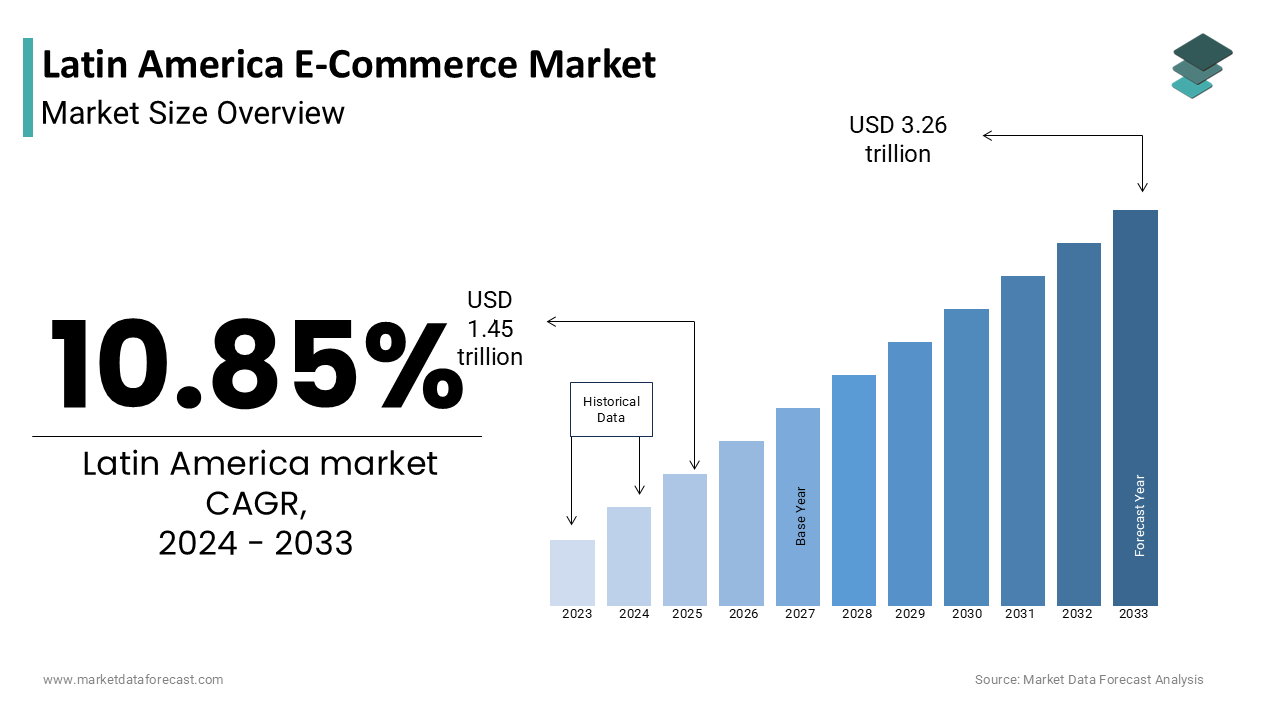
Digital transformation continues to be a defining trend for MSMEs in Latin America. The pandemic accelerated online adoption, pushing many small businesses to embrace e‑commerce platforms, social media sales channels and digital marketing. In 2026, consumers increasingly expect seamless online experiences, and MSMEs that invest in digital storefronts, mobile‑friendly sites and integrated payment options gain a competitive edge.
Platforms such as Mercado Libre, Shopify and social media marketplaces remain popular, allowing MSMEs to reach customers beyond local geographies. Digital transformation isn’t only about sales; it also includes using cloud‑based tools for inventory management, customer relationship management (CRM) and financial reporting to streamline operations and enhance decision‑making.
2. Fintech Solutions and Financial Inclusion
Fintech innovation is transforming access to financial services for MSMEs across Latin America. Traditional banking services have often been inaccessible for smaller businesses due to high costs, limited documentation requirements and rigid lending criteria. Fintech platforms now offer alternatives like digital credit, invoice factoring, peer‑to‑peer lending and embedded finance solutions tailored to MSME needs.
Digital wallets and mobile payments reduce friction in transactions and help businesses reach the unbanked or underbanked population. Integration with fintech also simplifies cash flow management and opens opportunities for MSMEs to access capital quickly, which is essential for expansion and weathering economic uncertainty.
3. Sustainable and Socially Responsible Business Models

Sustainability is no longer a niche — it’s a strategic trend shaping consumer preferences, investor interest and regulatory environments. MSMEs that adopt sustainable practices, such as eco‑friendly packaging, waste reduction, energy efficiency and ethical supply chains, build stronger brand loyalty and may qualify for green financing or tax incentives.
Consumers, especially younger generations, increasingly choose brands that demonstrate environmental and social responsibility. For MSMEs, incorporating sustainability can create differentiation in competitive markets and contribute to long‑term viability.
4. Flexible Work Models and Talent Development
The rise of remote and hybrid work has reshaped how MSMEs approach human capital. In 2026, many small businesses leverage flexible work arrangements to attract skilled talent beyond their immediate geographic location. Remote work also reduces overhead costs and allows firms to scale teams while managing expenses.
However, flexibility brings new challenges: managing remote teams, maintaining culture and ensuring productivity. MSMEs investing in digital collaboration tools, employee training and professional development build teams that are adaptable, innovative and ready for changing market demands.
5. Data Analytics and Customer Insights
Data is a strategic asset for MSMEs aiming to compete with larger firms. Small businesses now have access to affordable analytics tools that help them understand customer behaviour, optimize pricing, forecast demand and improve marketing return on investment (ROI). Analytics tools integrated with point‑of‑sale (POS) systems, website traffic data and customer feedback provide actionable insights that guide business decisions.
In 2026, MSMEs using data intelligently can personalize customer experiences, anticipate trends and make resource‑efficient decisions that boost growth and profitability.
6. Logistics and Supply Chain Innovation
Logistics remains a challenge for many MSMEs, especially those in remote areas or with limited distribution networks. However, new logistics services and delivery platforms are improving access to efficient supply chains. Third‑party logistics (3PL) providers, last‑mile delivery services and shared warehousing options allow MSMEs to scale distribution without heavy capital investment.
Cross‑border trade is also becoming more accessible through digital customs processing and regional trade agreements. MSMEs can explore new markets while managing shipping costs and delivery times through technology‑enabled logistics solutions.
7. Strategic Partnerships and Collaborative Ecosystems
Collaboration is a powerful growth driver. MSMEs partner with larger corporations, industry associations and local governments to share resources, access new markets and participate in innovation ecosystems. Incubators, accelerators and co‑working spaces also provide mentorship, networking and funding opportunities that help MSMEs scale faster.
Cluster development — where businesses within the same industry or region collaborate — fosters knowledge exchange and competitiveness, especially in sectors like tech, agribusiness and creative industries.
8. Regulatory Adaptation and Formalization
Governments in Latin America are increasingly focusing on formalizing MSMEs through regulatory reforms that reduce administrative burdens and simplify business registration, taxation and compliance. Formalization helps businesses access financing, legal protections and government support programs.
By staying informed about regulatory changes and taking advantage of business‑friendly policies, MSMEs can reduce operational risks and build stronger foundations for long‑term growth.
9. Emphasis on Innovation and Product Diversification
Innovation is critical for MSMEs navigating competitive markets. In 2026, successful small businesses invest in product development, diversification and value‑added services. Whether it’s creating new product lines, adopting new technologies or tailoring services to specific customer segments, innovation supports resilience and revenue growth.
Collaboration with universities, research institutions and innovation hubs can further strengthen MSME capabilities and introduce new solutions to market.
Conclusion
MSMEs in Latin America are operating in an environment defined by rapid technological change, shifting consumer expectations, and economic complexity. By embracing digital transformation, fintech solutions, sustainability, flexible work, data analytics and strategic partnerships, small and medium enterprises can improve competitiveness and unlock growth opportunities in 2026 and beyond.
Understanding these trends and aligning business strategies accordingly will position MSMEs to navigate uncertainty with resilience, expand their market reach and compete effectively in an increasingly interconnected economy.
If you’d like practical tools and platforms that support these trends for your business, I can share a tailored list based on your industry and goals.